
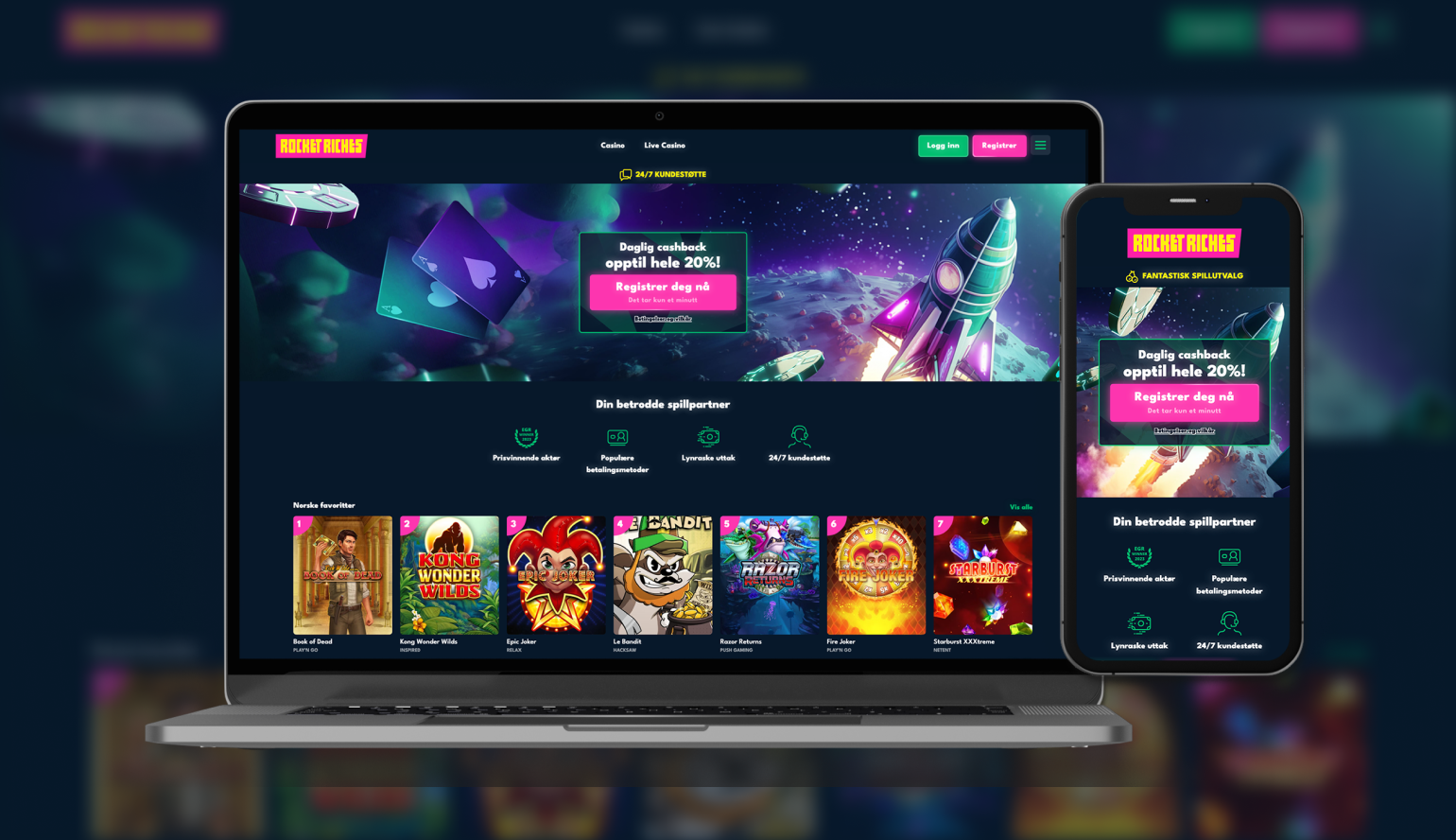
Spending time with Canada’s digital games, I’ve learned that the best ones provide something you anticipate every single day. That’s the space Rocketon Game fills. It’s not a game you play intensely and forget; it’s a place you return to, a reliable part of your routine. The design centers on making excellence easy to attain, giving Canadian players a polished, engaging habit that feels new and comfortable each time they log in. This daily practice evolves into a pillar of your downtime, adding a welcome bit of structure and something to anticipate, which many bigger, aimless games often miss.
What Defines the Rocketon Game Adventure?
Rocketon Game’s charm comes from its mechanics. The action feels natural right away, welcoming fresh players but concealing enough challenge to keep veterans engaged. That daily rhythm is the core of the experience. It establishes a fulfilling pace that demands regular visits without ever seeming like homework. In a market crowded with alternatives, this harmony is vital. Keeping players means respecting their time and offering fun, steadily. You learn by doing, and the immediate feedback from your actions develops confidence fast.
Presentation counts just as much. The screen is neat, the buttons respond exactly when you expect them to, and this lets you zero in on playing without wrestling the menus. That technical refinement means every session, whether a quick five minutes or a longer pause, runs without issues. For a game you aim to play daily, that absence of friction is critical. The graphics is bright and easy to understand, with clear signals for everything you do, from claiming a reward to finishing a tricky level.
At its heart, the game’s pattern is straightforward https://aviacasino.games/rocketon/. You might tend a little realm that changes daily, or face a set of puzzles that rearrange themselves every morning. This central task is rewarding on its own. What makes it special are the layers wrapped around it: the objectives, the bonuses, the little plot beats. Nothing feels out of place or too intense. The whole product works in unison, great for short, intense bursts that still leave you sensing like you achieved something.
The Daily Interaction Framework: A Detailed Review
Rocketon Game’s daily structure is its key highlight. I enjoy how it structures your progress around consistent logins, with updated targets and incentives that refresh on a fixed cycle. This gives every visit a specific goal, converting a casual session into a small, attainable mission. For Canadian players balancing hectic routines, it’s the ideal bite-sized gaming snack. It acknowledges that free time comes in fragments, and it provides a full, rewarding arc within those fragments.
The day-to-day missions go past simple participation. They’re cleverly made to prompt you into testing various aspects of the game. I’ve noticed they often force me to try out with a approach or a mechanic I’d neglected, which enhances my skills. This clever structure stops the schedule from getting stale. “Daily excellence” remains a dynamic goal, not an empty slogan. One day the task could be about stockpiling resources swiftly, the next about holding a stronghold, helping you to adjust.
- Organized Daily Goals: Each day introduces a carefully chosen set of new goals that steer your gaming experience and grant you targeted rewards. They aren’t random; they often follow weekly topics, like “Efficiency Week” or “Exploration Week,” adding a greater sense of development.
- Consecutive Visit Bonuses: A calendar system that offers you improved stuff for visiting days in a row, encouraging the routine. The incentives mix basic tokens with rare items needed later on, so that seventh-day prize always comes across like a major victory.
- Temporary Challenges: Unique challenges that appear in addition to the standard everyday missions, adding a dose of special, pressing gameplay. These often relate to celebrations or seasons, like a “Winter Carnival” with its unique aesthetic and mechanics, bringing a joyful spirit to the routine.
- Group Objectives: Common daily goals where the efforts of all accumulate to unlock extra prizes for the whole player base. This builds a feeling of broad collaboration without pushing you into head-to-head rivalry against other players.
The mental framework here is astute. By giving you a clear, completable list, it speaks to our innate need for completion and success. The refresh every day is a clean slate, with no remnants from past failures, which makes re-engaging feel optimistic. The model has been calibrated to feel supportive, not punishing, and that’s a major reason players in Canada stick with it.
Accessibility and Speed for Canadian Users
Canada is a vast country with vastly different geography, so technical access can’t be an afterthought. I’ve played Rocketon Game on various connections, from city centers to more remote spots, and it remains reliably. The developers fine-tuned it to run well without demanding the newest, most expensive hardware, a considerate move for a national audience. It also uses very little data, a critical point for players on limited mobile plans, which are common from province to province.
You can access the game through standard web platforms, which means instant access. No giant downloads, no eating up your device’s storage. This low floor is a big plus. It lets someone in Vancouver and someone in St. John’s start playing with the same ease, building a national community that shares the same smooth performance. The game loads fast even on older browsers, showing how lean the code is.
The localization deserves a mention too. It’s more than just translating words. The game includes little nods and sensibilities that click with Canadians, from seasonal events timed to our holidays to full English and French language support that doesn’t break the layout. This care makes the game feel like it was made here, not just shipped over. Customer support also works on our time zones, so help is there when most Canadians are playing.
On the practical side, the game stays stable during the busy evening hours across Eastern and Pacific times. You don’t see lag spikes or crashes when everyone’s logging on after work or school. That reliability builds trust. Players know their daily session will be there for them, which is utterly essential for a game built on habit. This technical backbone is the subtle, crucial foundation for everything else.
Hidden Strategy Beneath the Easy Exterior
Rocketon Game is easy to start, but it hides real strategic weight once you get involved. I’ve dedicated whole sessions just testing different tactics, and the game’s systems support that kind of experimentation. Handling resources, strategic foresight, adjusting decisions—these are all integrated into the daily loop, and they pay off for being strategic. Weighing whether to use a rare item for a quick daily boost or keep it for a bigger weekly target is a persistent, interesting calculation.
This depth is why the game alive over months. A title that’s just surface-level loses me fast. Here, the strategy layer offers an incentive to reflect on the game when I’m away from it, scheming my next move. That mental hook indicates a design that assumes its players are smart, including the clued-in Canadian gaming crowd. Advanced mechanics unfold gradually, aligning with your growing skill, so the complexity feels like a reward, not a wall.
The strategy works on several levels. There’s an economic side, calculating the best way to turn common materials into rare ones. There’s a logistics side, choosing the optimal order to complete daily tasks to grab bonus multipliers. There’s even a personal meta-strategy in planning which days of the week to play hard versus only maintaining, based on your own schedule. This weaves a rich web of decisions that are completely optional but highly rewarding if you dive in, granting a real sense of control over your progress.
On Canadian gaming forums and other online spaces, you’ll find whole communities analyzing these strategic layers. Players publish optimized daily routes, discuss the long-term value of certain rewards, and discuss strategies for upcoming events. This player-led dissection serves as the best evidence of the game’s hidden richness. It turns the solitary daily act into part of a bigger, collective puzzle, bringing a social and intellectual layer to the routine that few daily games manage to do.
The function of Group and Social Features
Games today don’t live in solitude, and Rocketon Game cleverly integrates social features that enhance the daily grind. I perceive these features built to encourage a atmosphere of collective goal, not aggressive opposition. You can track the group’s collective achievements, post your small wins, and earn advantages from collective targets. This builds a supportive, low-pressure social atmosphere. You realize people are participating with you, but your success doesn’t need their defeat.
For Canadian sensibilities, which tend toward courteous collaboration, this design fits. The group features come across as encouraging, matching a community that prioritizes connection. It shifts the experience from a single-player endeavor into a gently collaborative experience, where your individual daily effort feeds into a larger, collective achievement. That turns the routine become more significant and linked. Offering the option to give extra items to a buddy or give a “positive reaction” to their major daily milestone adds a bit of friendliness without any heavy obligation.
- Begin with your everyday personal objectives. Secure your core rewards and move your own progress forward. This is your core task for consistent advancement.
- Then, check the collective goal meter. Take on tasks that help move that common number up. Picking jobs that also check off your personal list is the smart play—you help everyone while helping yourself.
- Following that, look at any limited-time event challenges. Check if they match with what you’re already doing. These typically offer premium rewards, so integrating them into your main workflow earns you the most from your time.
- To finish, spend your earned resources on your long-term plans before you log off. That might mean buying a permanent upgrade or stashing a special currency for a future update, solidifying the gains from your daily work.
The game also assists smaller communities develop through features like alliances or guilds, where little groups of players chase private shared goals. These micro-communities often become focal points for swapping tips and recognizing each other’s wins, much like a local club or team. In a spread-out country like Canada, these digital spaces can forge a real sense of belonging and shared interest that connects the physical distance.
Critically, the social pressure remains low. No public leaderboard judges you for missing a day, and the group goals are set so a reasonable amount of community effort can reach them. This prevents the social parts from becoming a source of stress, maintaining the vibe positive and encouraging. The community acts as a gentle backdrop, not a harsh spotlight, which suits perfectly with the game’s philosophy of respectful, daily play.
The Reason Rocketon Game Resonates with Canadian Gaming Preferences
Considering Canada’s digital entertainment preferences, a few values are prominent: quality, reliability, and fairness. Rocketon Game works because it offers these consistently. Its daily model gives a reliable framework, its performance is strong across the nation’s variety of internet services, and its strategic depth offers a fair challenge that properly rewards your time and smart play. The game feels carefully built, not slapped together, which matches a national taste for thoughtful design and things that last.
The game also avoids pushy monetization. I find that matches a preference for clear value. Canadian players tend to appreciate a game that comes across as a fair trade—their time for good entertainment. Rocketon Game presents itself as a daily hobby, not a high-pressure job, slotting perfectly into the lives of players who want a dependable, high-quality gaming session as part of their day. When you can spend money, it’s typically for convenience or cosmetics, not raw power, which keeps the field level.
There’s a cultural fit with balance and moderation too. The game promotes a healthy habit—a limited, satisfying visit—instead of pushing endless grinding. This speaks to lifestyles that often emphasize work-life balance and mindful screen time. The design subtly implies, “Here’s your great gaming moment for today,” and then allows you to depart feeling content. It’s a welcome change from games engineered to trap your attention forever. It matches the Canadian rhythm, with its clear seasons and love for the outdoors, by being the perfect indoor companion.
Finally, the game’s overall look and tone are cheerful and light. It avoids overly dark or violent themes. This wide appeal lets it become common ground for a big demographic, from students to professionals to retirees, all finding their own pace within the same system. That inclusivity reflects the Canadian mosaic, and you notice it in the game’s varied and growing player base. It functions by being a unifying digital pastime that concentrates on shared, positive engagement over going it alone or competing against others.
Looking Ahead: The Future of Daily Gaming Routines

The triumph of games like Rocketon Game points to a transformation in what players want. I believe gaming’s future will prioritize these integrated daily experiences that treat a player’s time with respect. The challenge for developers will be to create inside this box, introducing new layers without messing up the simple, user-friendly core that makes daily play viable and enjoyable for so many. We’ll most likely see more customization, where daily goals gently adjust to suit how you like to play and what you’ve done before.
For Rocketon Game itself, the next steps means heeding its community and identifying creative ways to enhance the daily features. Tracking current trends, I foresee more customized daily objectives, seasonal stories woven deeper into the routine, and possibly more polished cooperative tools. The aim will be to maintain that vital balance of fresh excitement and known comfort that shapes the best daily gaming habits for players in Canada and elsewhere. Connecting with other platforms or smart devices might let the daily ritual extend in new, seamless directions.
The concept of “gaming excellence” itself is changing. It’s less about raw graphical power or massive worlds, and more about consistent, rewarding engagement. A game you truly want to come back to every day, one that leaves you pleased after each visit, has done something remarkable. It becomes a positive ritual, a small pocket of dependable joy in a chaotic world. That ritual aspect holds real psychological power, delivering stability and a subtle sense of success.
I can see the daily gaming model expanding to other genres. The ideas of easy-to-learn depth, respectful time investment, and light social connection could apply for story-driven adventures, creative applications, or educational sims. The main takeaway from Rocketon Game’s success is that excellence can emerge in consistent, attainable pieces. This approach regards the player as a person with a full life beyond the screen. That might be the most crucial and welcome shift in game design for the Canadian market, and for everyone else.